
Get the help you deserve

Find A Therapist connects you with licensed mental health professionals including psychologists, clinical social workers, marriage and family therapists, and professional counselors.
We understand that seeking help is an important step toward improving your life, but finding the right therapist for you can be overwhelming. That is why we made it easy to search for a therapist in your area.
No account is needed to search for a therapist. You can be assured your privacy is respected and protected while finding the help you deserve.
Featured therapists

Licensed Mental Health Counselor

Licensed Independent Clinical Social Worker

Licensed Professional Counselor

Licensed Clinical Psychologist

Licensed Clinical Psychologist

Licensed Professional Counselor
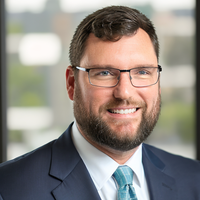
Provisional Licensed Professional Counselor

Licensed Professional Clinical Counselor

Discover healing
Therapy offers a safe and secure environment where you can talk about your personal struggles, discover what you can do to cope, and start your healing process. For many people, counseling sessions provide a space where they feel heard, safe, and empowered to recover.
In therapy, we explore hidden pieces of ourselves and gain insight into a more hopeful future. Find A Therapist believes it is a privilege to connect people who are searching for support with licensed mental health professionals.

You are not alone.
We are here to help you.
Find A Therapist is a compassionate community that provides education, resources, and support to people who have concerns about their mental health and life challenges, or just need a safe space to talk.
Recently updated articles

Warning Signs Of Bulimia

Diagnosis And Treatment Of Bulimia Nervosa

How Bulimia Nervosa Affects The Body

Therapy can help people who are struggling with a range of mental health concerns.
Effective counseling can help with anxiety, depression, divorce, chronic illness, addiction, trauma, relationship issues, stress, and more.
Regardless of the issues you may be facing, help is available.
Browse therapists near me by state
- Alabama
- Alaska
- Arizona
- Arkansas
- California
- Colorado
- Connecticut
- Delaware
- District of Columbia
- Florida
- Georgia
- Hawaii
- Idaho
- Illinois
- Indiana
- Iowa
- Kansas
- Kentucky
- Louisiana
- Maine
- Maryland
- Massachusetts
- Michigan
- Minnesota
- Mississippi
- Missouri
- Montana
- Nebraska
- Nevada
- New Hampshire
- New Jersey
- New Mexico
- New York
- North Carolina
- North Dakota
- Ohio
- Oklahoma
- Oregon
- Pennsylvania
- Rhode Island
- South Carolina
- South Dakota
- Tennessee
- Texas
- Utah
- Vermont
- Virginia
- Washington
- West Virginia
- Wisconsin
- Wyoming
Are you ready to take the first step to healing?
Get the help you deserve from a licensed mental health professional.
Search for a therapist